no idea what you're talking about,, only other time in history i had to shift down in any of my previous vehicles was when i over loadedx
700hp that has to shift down !! come on really !! now you just trolling
for reference: the specific example i gave is for a 3mi 6% grade with a 65mph speed limit.
my dodge: 20psi of boost at 1700rpm in 6th gear results in EGTs 100° higher than 10psi at just over 2000rpm in 5th. that increases how long i have to sit and idle in the driveway while it cools down so i don't cook the oil in the turbos. it ain't for lack of power - it's for taking care of my engine.
my corvette: 6th gear would put me at 1300rpm and needing 5-7psi of boost up that same grade. that's a quick way to overload the tiny double-overdrive gear in the transmission and to also lug / knock the engine (potentially blowing a piston) - especially since my cam don't come alive until at least 2000rpm. 5th gear puts me just over 2000rpm and lets me pull the grade with a couple inches of vacuum. going down to 4th gear is 2750rpm and pulls ~10in vacuum... but uses more gas.
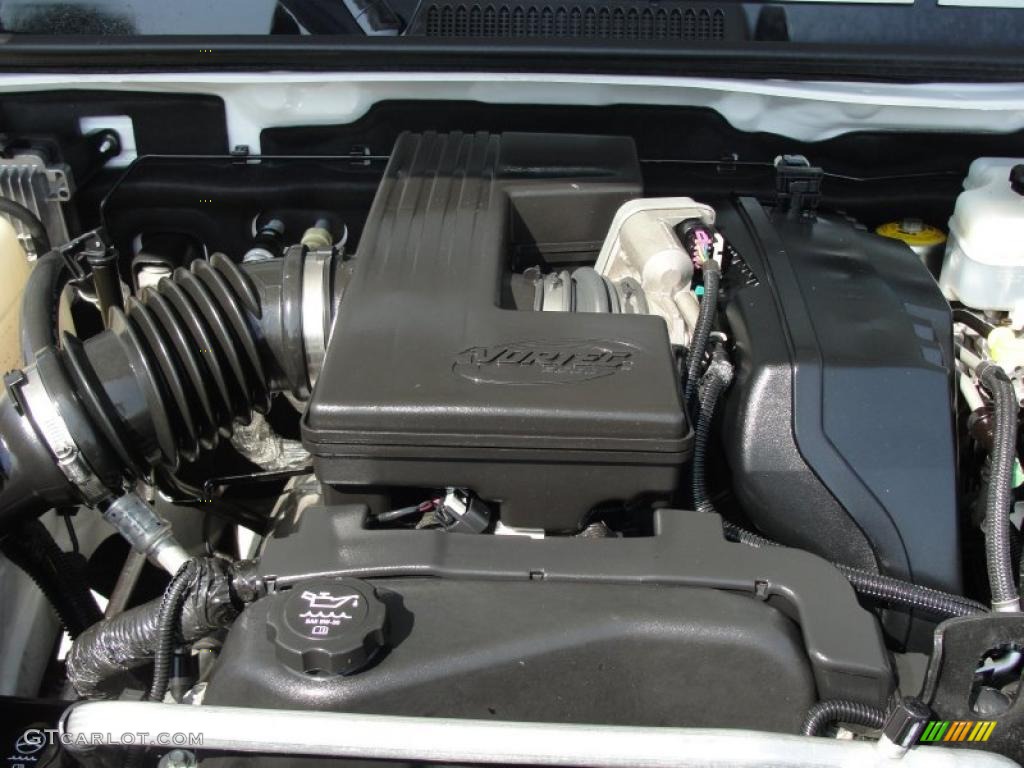
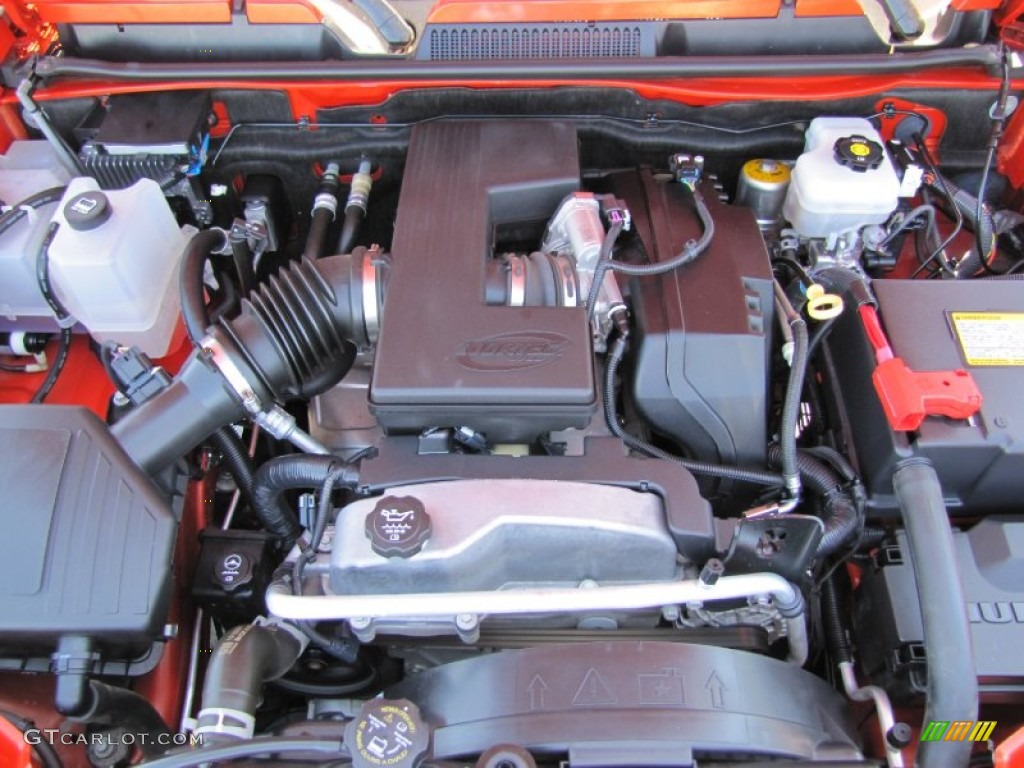
my wife's H3: given our altitude (~4000ft) and the 3.7's anemia, if she gets a running start & downshifts to 4th (3200rpm), she can make it up at WOT and only lose speed down to 60mph (3000rpm). try that in 5th (2150rpm), and you'll fall on your face finding yourself down in 3rd gear trying to accelerate back up to 55mph because the atlas engines need 3000+ for peak torque.
if you've only got a two-pedal model, i guarantee yours is doing this for you (or at the very least - unlocking the torque converter [which is the same as slipping the clutch]) whether you leave the lever in D or not. you moving to 3 or 2 simply prevents it from going to a higher gear.
what else would you like clarification on?